
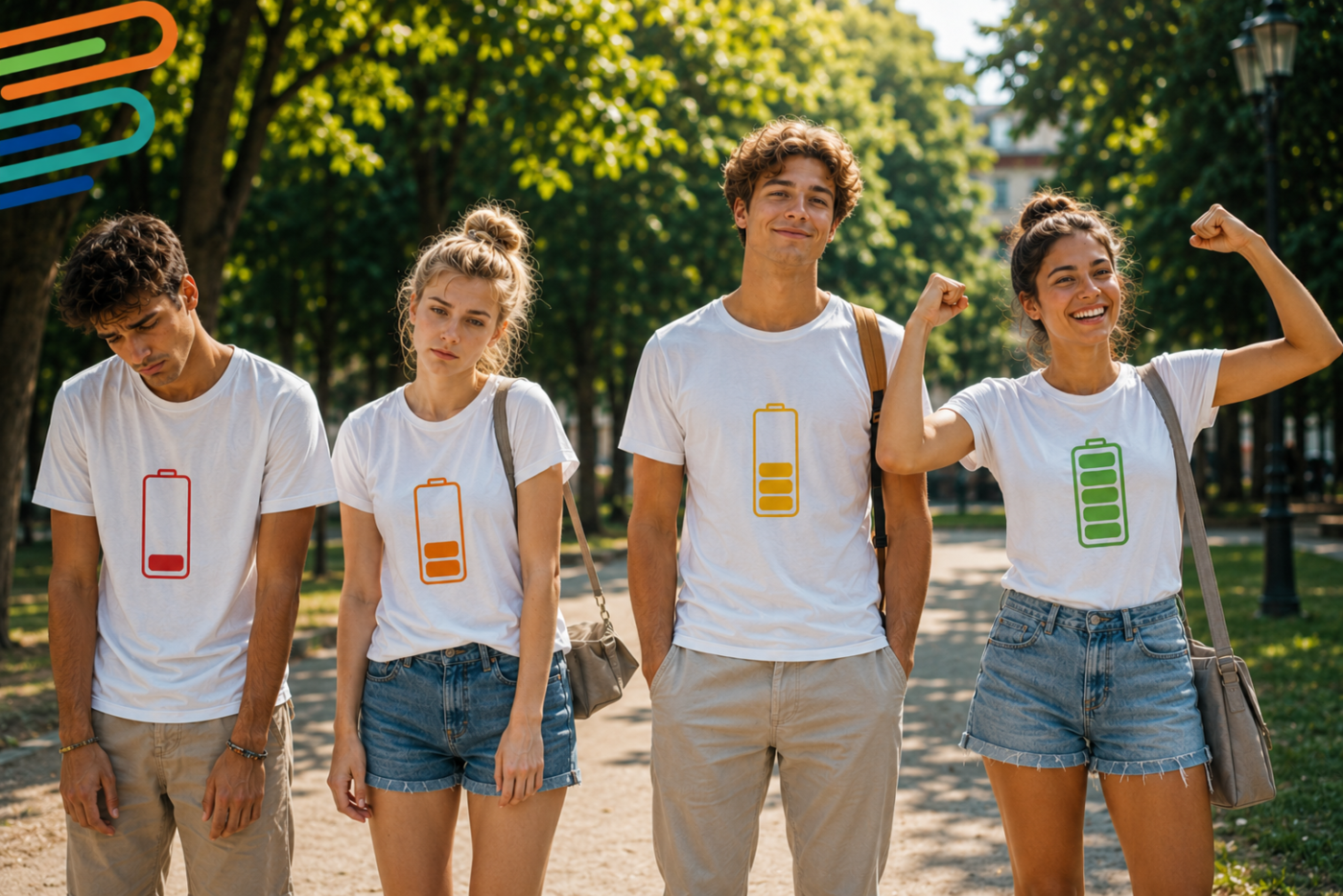
The exam period is over, and the summer break has finally begun. Although many people expect to feel energetic again after just a few days of rest, reality is often different: the mental and physical strain accumulated by the end of the semester does not disappear overnight. If you find it difficult to motivate yourself to make plans or feel like you need a break, that is completely natural. The good news is that summer offers an opportunity for genuine recovery. However, it is worth remembering that rest means much more than finally getting enough sleep.
Rest Is Not a Luxury
For many people, summer break is not only about relaxing. It is also a time for summer jobs, internships, learning a new language, or achieving goals that there was no time for during the semester. These are all valuable experiences, but it is easy to forget that recovery is essential for maintaining our health.

If you spend the summer months under constant pressure to perform, you may start the new semester with lower energy levels and reduced motivation. In the long run, a lack of rest can affect your concentration, academic performance, and overall wellbeing.
Why Isn’t a Few Days of Sleep Enough?
 When we feel exhausted, our first thought is usually that we have not been getting enough sleep. While getting sufficient, high-quality sleep is a fundamental part of recovery, it is not always enough on its own.
You may still feel tired, unmotivated, or distracted even after several days of rest. This is because exhaustion is not solely physical.
The Seven Types of Rest
Research suggests that exhaustion can manifest in many ways. To truly recharge, it is important to recognise which areas of your life have been depleted and choose the type of rest that best meets your needs.
1. Physical Rest
If you still feel constantly tired during the summer, struggle to get out of bed in the morning, frequently experience back or neck pain, or even light physical activity feels exhausting, your body probably needs more time to recover.
What can you do to recharge physically?
- Try to maintain a regular sleep schedule rather than catching up on sleep only on weekends.
- Include light physical activity such as an evening walk, cycling, or swimming, and set aside a few minutes each day for stretching or relaxation exercises.
- Allow yourself an occasional day of rest when you consciously put your responsibilities aside.

2. Mental Rest
One of the biggest challenges of the exam period is continuous mental strain. Long hours of studying, sustained concentration, and constant deadlines keep your brain in a state of ongoing alertness. As a result, even after your exams are over, you may find it difficult to switch off, with your thoughts still revolving around the past weeks. If this sounds familiar, you may need mental recovery.
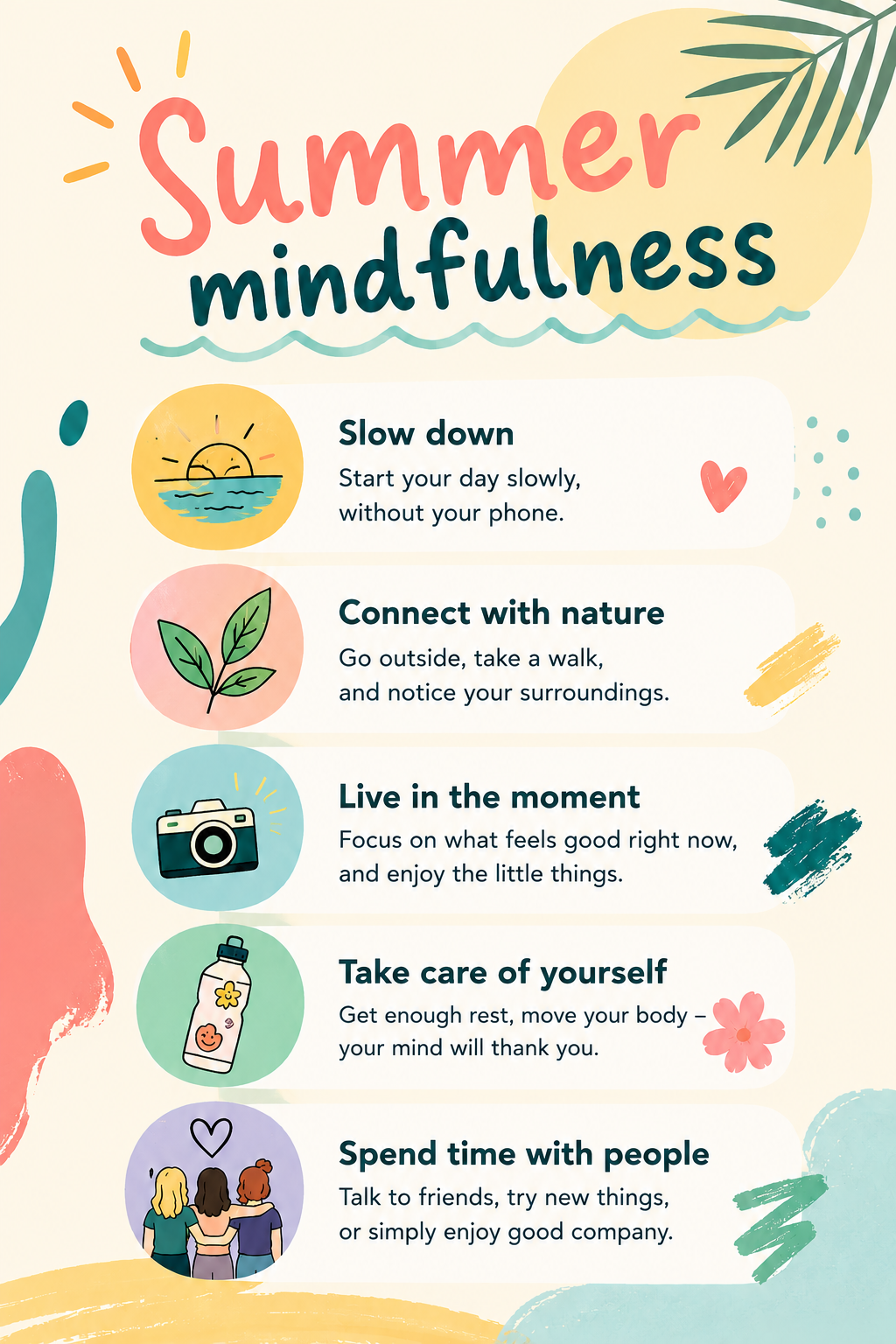
What can you do to recharge mentally?
3. Sensory Rest
Constant notifications, social media, noise, and prolonged screen time place a significant burden on the nervous system, even if we do not always notice it (you can read more about this here). Summer is a great opportunity to reduce the amount of stimulation around you consciously. If you feel more irritable than usual, are easily bothered by noise, or often feel overwhelmed, your senses may need a break.
What can you do to recharge your senses?
- Set aside at least one short screen-free period every day, and turn off notifications for a few hours.
- Spend time in nature and pay attention to the calmness around you. You can read more about the benefits of spending time outdoors in one of our previous blog post.

4. Creative Rest
During the exam period, most of your energy is focused on meeting academic demands. For weeks, the activities that inspire you and bring you joy may take a back seat. If you feel that nothing really excites you anymore, everything seems the same, or you lack the motivation to try new things, you may need creative renewal.

What can you do to recharge your creative energy?
- Read a book that you choose purely for yourself.
- Attend a concert, festival, outdoor movie screening, or exhibition. (Current events)
- Try a new hobby such as photography, pottery, or video creation.
- Explore your hometown like a tourist, or plan a spontaneous one-day trip.
- Create a summer photo journal and document your experiences creatively.
5. Emotional Rest
During the exam period, we often do not have time to process our emotions because our attention is focused on the next exam, assignment, or deadline. At the end of the semester, however, these suppressed feelings often surface all at once (known as the “post-exam blues“). Emotional rest means giving yourself the time and space to experience and process everything you have been through during the past months.
What can you do to recharge emotionally?
- Talk to people with whom you can truly be yourself.
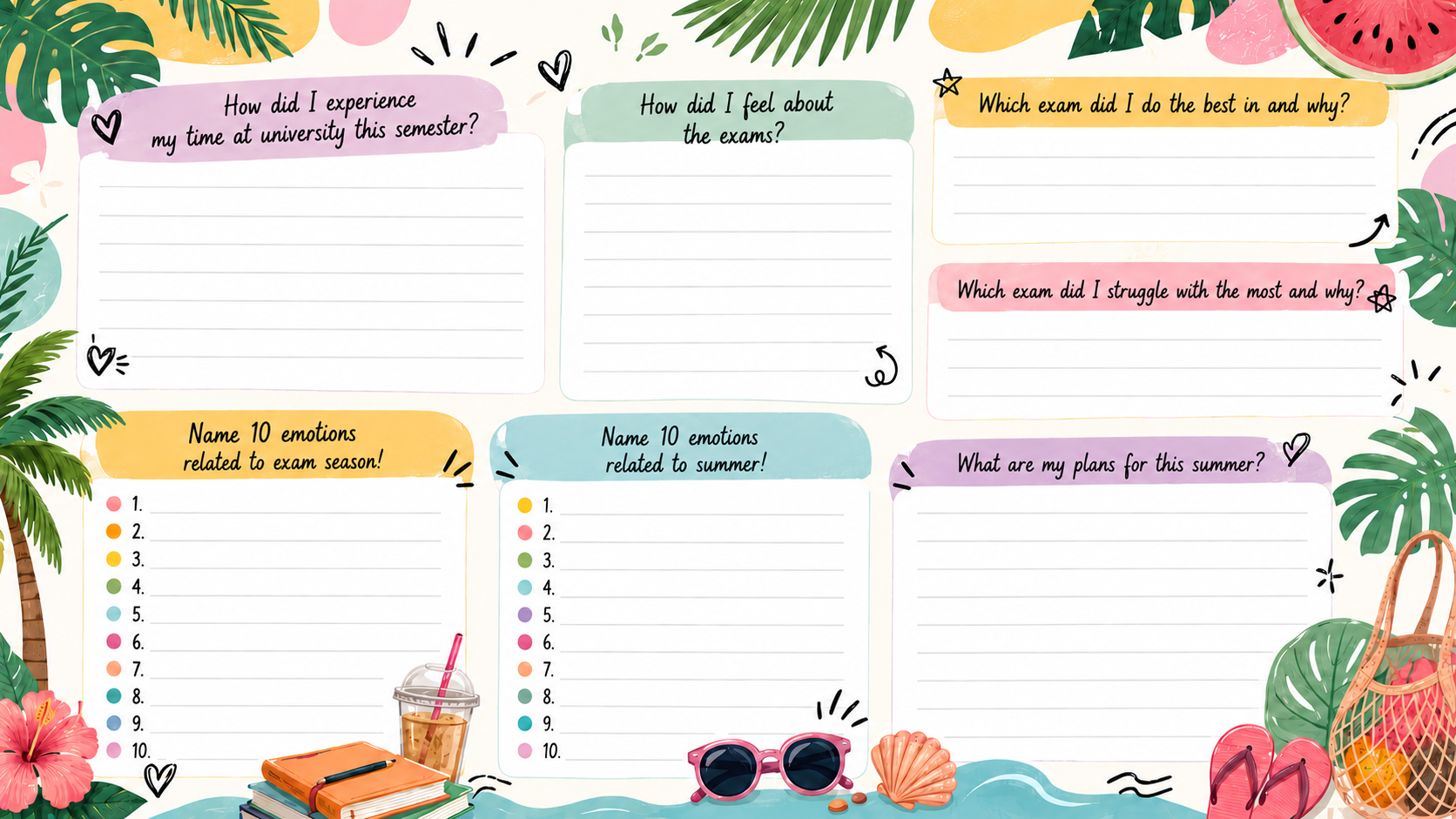
- Keep a journal and write about how you experienced the past semester. We have prepared a little guide to help you get started:
6. Social Rest
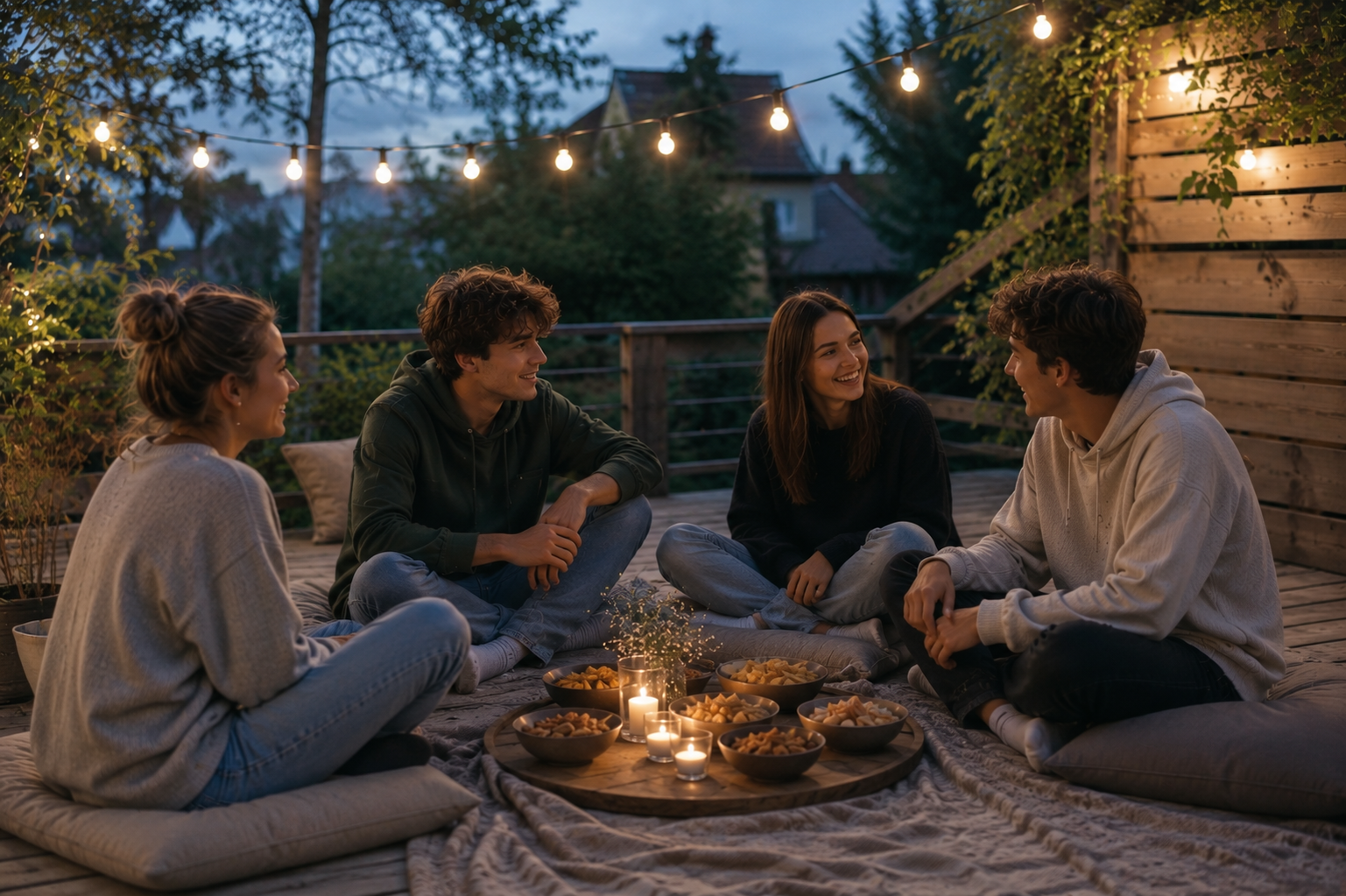
Lectures, seminars, group projects, dormitory life, and constant online connectivity mean we are almost always surrounded by others. Even so, you may still feel lonely or emotionally drained. Social rest is about spending time with people around whom you can truly be yourself, without constantly feeling the need to meet expectations.
What can you do to recharge socially?
- Organise a relaxing evening with your closest friends.
- Try to spend more time meeting people in person and less time being constantly online.
- Occasionally, have “phone-free” get-togethers where everyone focuses only on each other.
7. Spiritual Rest
Spiritual rest means taking time to reflect on what truly matters to you, what gives your life meaning, and the direction you would like to take in the future.
What can you do to recharge spiritually?
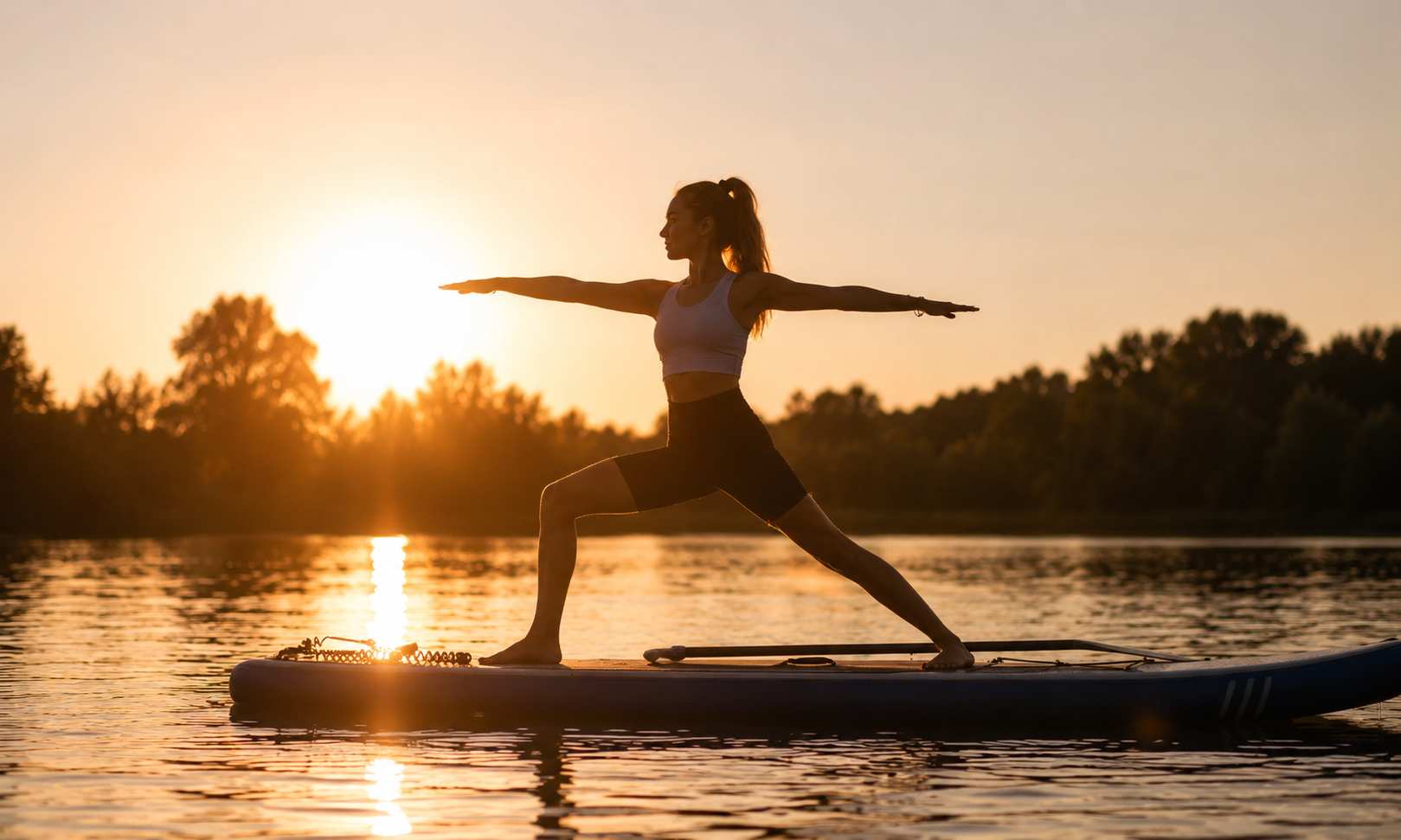
- Try simple meditation or yoga exercises.
- Take part in a volunteering program or a community initiative.
- Reflect on the most important experiences and lessons you learned during the past academic year.
It is important to remember that rest is an essential part of a healthy life. Find what truly recharges you — and have a wonderful summer!
References
Bellezza, S., Paharia, N., & Keinan, A. (2017). Conspicuous consumption of time: When busyness and lack of leisure time become a status symbol. Journal of Consumer Research, 44(1), 118–138. DOI: 10.1093/jcr/ucw076
Boda, E., & Herpainé Lakó, J. (2015). Theory and Methodology of Recreation 2: Settings, Special Areas and Forms of Recreation and Leisure Activities. EKF Líceum Publishing.
Cassidy, T. (1996). All work and no play: A focus on leisure time as a means for promoting health. Counselling Psychology Quarterly, 9(1), 77–90. DOI: 10.1080/09515079608256354
Epley, N., & Schroeder, J. (2014). Mistakenly Seeking Solitude. Journal of Experimental Psychology, 143(5), 1980–1999. DOI: 10.1037/a0037323
Kim, J., Lee, S., Chun, S., Han, A., & Heo, J. (2017). The effects of leisure-time physical activity on optimism, life satisfaction, psychological wellbeing, and positive affect among older adults with loneliness. Annals of Leisure Research, 20(4), 406–415. DOI: 10.1080/11745398.2016.1238308
Konrath, S., & Brown, S. (2012). The Effects of Giving on Givers. In N. A. Roberts & M. J. Newman (Eds.), Health and Social Relationships: The Good, The Bad, and The Complicated. American Psychological Association.
Mogilner, C., Chance, Z., & Norton, M. I. (2012). Giving Time Gives You Time. Psychological Science, 23(10), 1233–1238. DOI: 10.1177/0956797612442551
Tonietto, G. N., Malkoc, S. A., Reczek, R. W., & Norton, M. I. (2021). Viewing leisure as wasteful undermines enjoyment. Journal of Experimental Social Psychology, 97(104198). DOI: 10.1016/j.jesp.2021.104198
Leave a Reply