

The digital lifestyle that permeates our days, the intensified stream of stimuli, and the constant rush can quietly wear down our mental energy reserves. This often results in stress, irritability, and increased difficulty concentrating—topics we discussed in more detail in our previous blog post. It is therefore no coincidence that more and more people are searching for ways to truly be present and regain their inner balance. What if there were a free “service,” available to everyone, that could restore our mental freshness? In fact, such a thing does exist, it is nature itself, which surrounds us.
The impact of nature on mental health
Since the 1980s, psychology has been studying how and why nature has such a restorative effect on our mental functioning. Two main mechanisms explain this:
-
Attention Restoration Theory:
Modern lifestyles constantly demand our “directed attention,” which can easily become fatigued. In nature, however, we are surrounded by stimuli (such as the rustling of leaves, the babbling of a stream, the sound of the wind, or birdsong) that are varied yet not overwhelming. This allows the brain to truly rest, improving memory and concentration.
-
Stress Reduction Theory:
In natural environments, the sight of green and blue colors automatically calms physiological stress responses. Even a 20-minute walk can measurably reduce cortisol levels, slow the heart rate, and improve digestion.
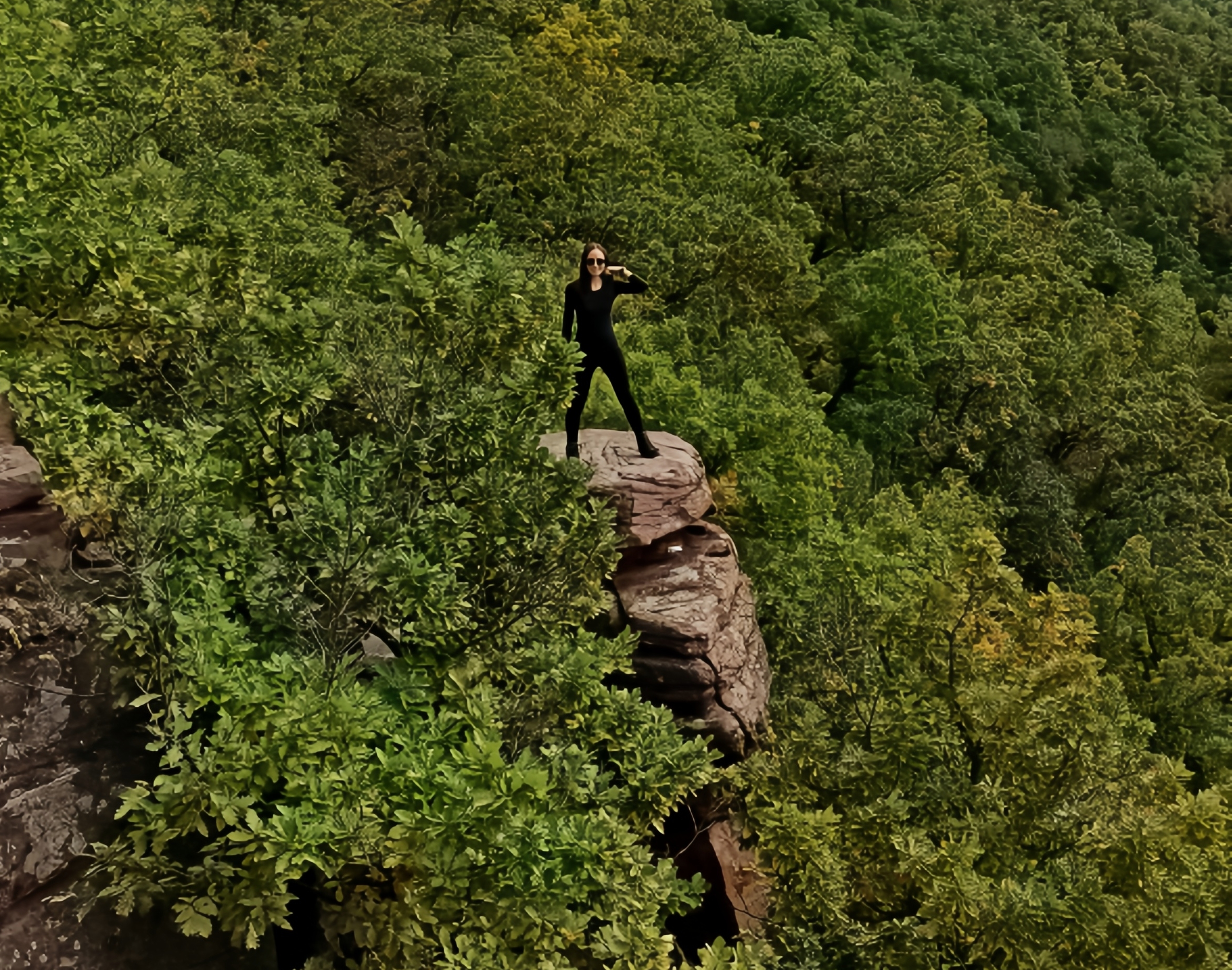
Research also shows that time spent in nature enhances creativity, supports decision-making, and increases overall well-being.
The Hidden World of Trees – Wood Wide Web
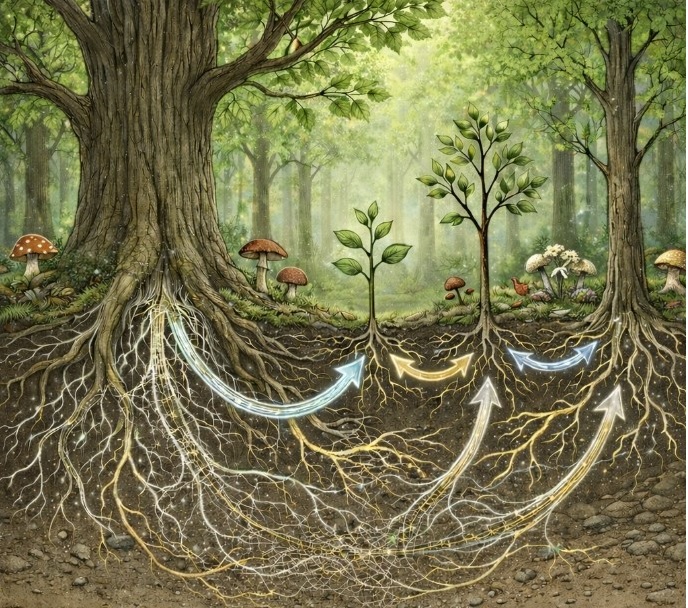
When we walk through a forest, we tend to see trees as separate individuals, even though the forest itself is a complex, interconnected system. Beneath the surface lies an astonishing network of fungal threads – the Wood Wide Web – that connects them. Through this network, trees not only exchange nutrients but also “communicate”: they warn each other about dangers and support their sick neighbors and offspring.
Connect with Nature!
If we want to consciously make use of the beneficial effects of spending time in nature, several proven methods are available.
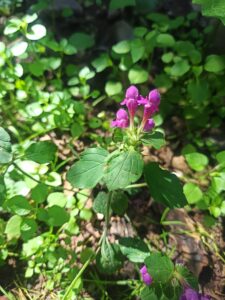 Forest bathing (Shinrin-yoku):
A nature-based therapeutic practice originating from Japan, in which a person mindfully experiences the forest with all of their senses. The forest environment—especially the essential oils (terpenes) and phytoncides released by trees and plants—supports the immune system, reduces stress, and promotes the body’s natural self-healing processes.
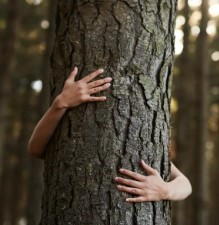 Tree hugging:
At first it may seem unusual, but touching or embracing a tree can trigger processes in the body similar to those caused by human hugs: it increases the production of endorphins, the body’s natural stress-relieving compounds.
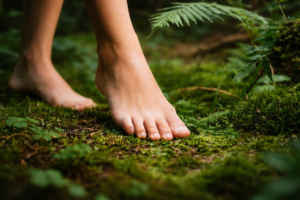
Barefoot walking:
Research suggests that contact with natural ground stimulates the nerve endings in the soles of the feet, improves balance, and may reduce inflammatory processes in the body.
Exercise by Prescription!
The beneficial effects of nature have also appeared in modern medicine. In this context, a new initiative allows general practitioners to prescribe a so-called “green prescription” or exercise prescription, which can be redeemed free of charge at various sports and recreational locations, such as urban sports fields, running tracks, or nature trails.
It looks similar to a traditional prescription, except that instead of medication, it prescribes physical activity.

What Can You Do for Nature and for Yourself?
The well-being of the Earth and of humans is inseparable: when we support nature, we also protect our own mental health.
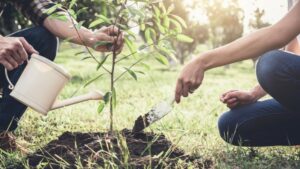
Online communities: Examples include the volunteer tree-planting group 10 Million Trees – Pécs, or the National Tree Planting Day initiative, where you can personally experience what it feels like to contribute with your own hands to a greener future.
Can’t take care of your houseplant anymore? Gift it to someone else or exchange it online!
20 minutes of mindful presence each day:
Go out during the day to a nearby park or any green area and spend at least 20 minutes completely undisturbed. Put your phone away, slow down, and pay attention to the sounds, scents, and light around you.
Lunch break outdoors:
If possible, sit outside in the fresh air and have a short “mini picnic” in the sunshine instead of eating in front of a screen.
One longer hike per week:
Plan at least a 1–2 hour walk or hike in the forest on the weekend so you can connect with nature more deeply.
The Most Beautiful Hiking Trails in the Mecsek
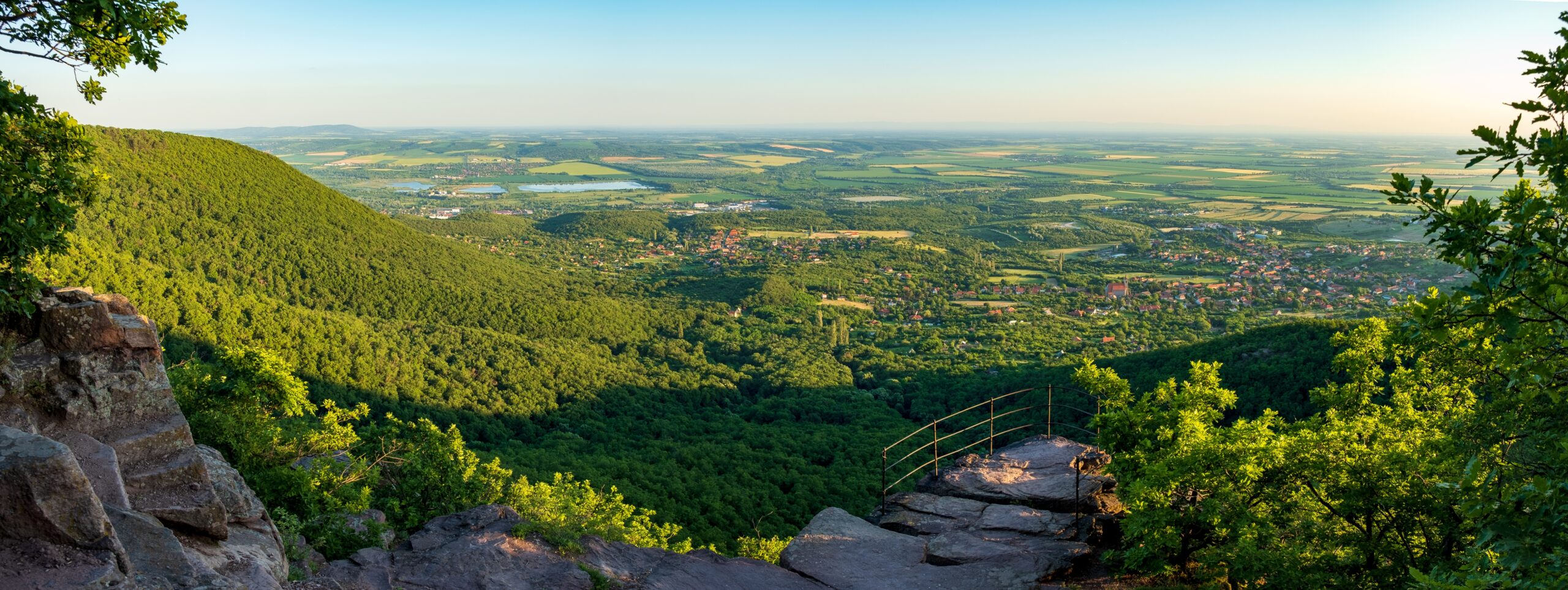
As residents of Pécs, we are fortunate, since the Mecsek is right within reach. In the following selection, you will find shorter, more comfortable routes, moderately difficult hikes, and longer, more sporty trails as well—choose whichever suits you best!
Easy, Family-Friendly Hikes
Moderately Difficult Hikes
For Those Seeking a Challenge
If You’re Just Looking for a Short Walk
If You Can’t Get Outside, Nature Is Still Within Reach!
If you are looking for a read that can fundamentally change the way you relate to nature, consider Peter Wohlleben’s book The Hidden Life of Trees.
 The author is a German forester who, during his professional career, observed that forests are actually fascinating, intelligent ecosystems. Trees recognize their offspring and support sick or weaker neighbors with nutrients through their roots so that the forest community can remain healthy. Wohlleben explains in an engaging yet scientifically grounded way that trees are living beings capable of sensing: they have memory, perceive pain, and form close relationships with one another.
The book can be borrowed from the Knowledge Centre in Pécs here.
For a cozy reading atmosphere, we recommend our Spotify playlist, where you can listen to forest sounds collected from different parts of the world.
A Thought to Take With You:
“The peace of the forests has become a part of my being. And indeed, if I close my eyes, I can sometimes transform the noise of loud conversations or traffic into the cries of baboons or chimpanzees, the wind rushing through the branches, or the roar of waves breaking on the shore. It is a gift to possess this ability, which I received from the forest, and for which I am deeply and endlessly grateful.”
Jane Goodall
Sources:
- Bratman, G. N., Hamilton, J. P., & Daily, G. C. (2012). The impacts of nature experience on human cognitive function and mental health. Annals of he New York Academy of Sciences, 1249, 118–136. https://doi.org/10.1111/j.1749-6632.2011.06400.x
- Bratman, G. N., et al. (2019). Nature and mental health: An ecosystem service perspective. Science Advances, 5(7), eaax0903. https://doi.org/10.1126/sciadv.aax0903
- Coventry, P. A., et al. (2021). Nature based outdoor activities for mental and physical health: Systematic review and meta analysis. SSM: Population Health, 16, 100934. https://doi.org/10.1016/j.ssmph.2021.100934
- Deyo, A., Wallace, J., & Kidwell, K. M. (2024). Screen time and mental health in college students: Time in nature as a protective factor. Journal of American College Health, 72(8), 3025–3032. https://doi.org/10.1080/07448481.2022.2151843
- Goodall, J. (2015). The book of hope. Celadon Books. ISBN: 1250784093
- Jimenez, M. P., et al. (2021). Associations between nature exposure and health: A review of the evidence. International Journal of Environmental Research and Public Health, 18(9), 4790. https://doi.org/10.3390/ijerph18094790
- Menhas, R., et al. (2024). Does nature based social prescription improve mental health outcomes? A systematic review and meta-analysis. Frontiers in Public Health, 12, 1228271. https://doi.org/10.3389/fpubh.2024.1228271
- Merckx, V. S. F. T., et al. (2024). Mycoheterotrophy in the wood-wide web. Nature Plants, 10(5), 710–718. https://doi.org/10.1038/s41477-024-01677-0
- Mihók B. et al. (2021): Nature and Mental Health. ELKH Ecological Research Centre, Vácrátót–Budapest. Available here
- Wohlleben, P. (2021) How Trees Can Save the World. ISBN: 9780008447243
Leave a Reply